10 Mistakes to Avoid When Buying Property in Spain
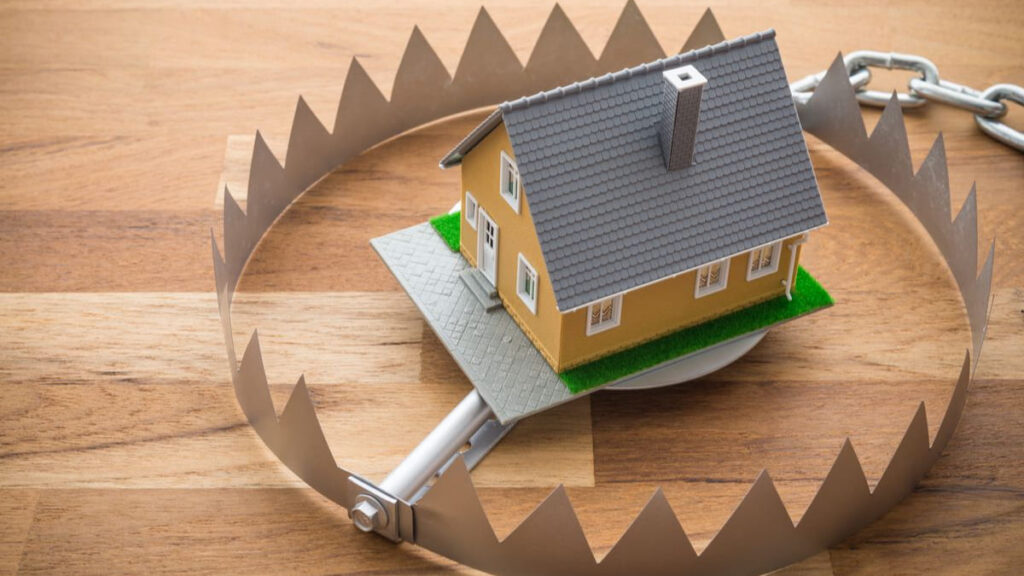
Buying property in Spain can be a great decision, whether you plan to live in it or invest. However, even if you have found a suitable apartment, agreed on the price and are ready to pay a deposit, it is important not to rush.
Mistakes when choosing a property, checking documents or completing the transaction can lead to additional costs, delay the purchase or even result in financial losses.
Particular care is needed if you live outside Spain, are unfamiliar with local procedures or expect to earn income from renting out the property.
Let’s look at 10 common mistakes when buying property in Spain and explain how to avoid them.
1. Focusing Only on the Property Price
Price is one of the main selection criteria, but it does not, by itself, show whether a purchase is a good investment.
Two similar apartments in the same city can differ significantly in condition, location, maintenance costs and potential appeal to tenants.
A very low price does not always mean a great opportunity. It may reflect the need for major repairs, legal restrictions, outstanding debts or other issues that should be checked before completing the transaction.
How to Avoid This Mistake
Assess not only the property’s price but also its overall condition, location, expected expenses and suitability for your goals. If the price is significantly lower than that of comparable properties, find out why before paying a deposit.
2. Failing to Check the Property’s Legal Status
One of the most serious mistakes is relying solely on information provided by the seller or real estate agency.
Before buying, make sure the seller is legally entitled to sell the property and that there are no encumbrances or other circumstances that could affect the transaction.
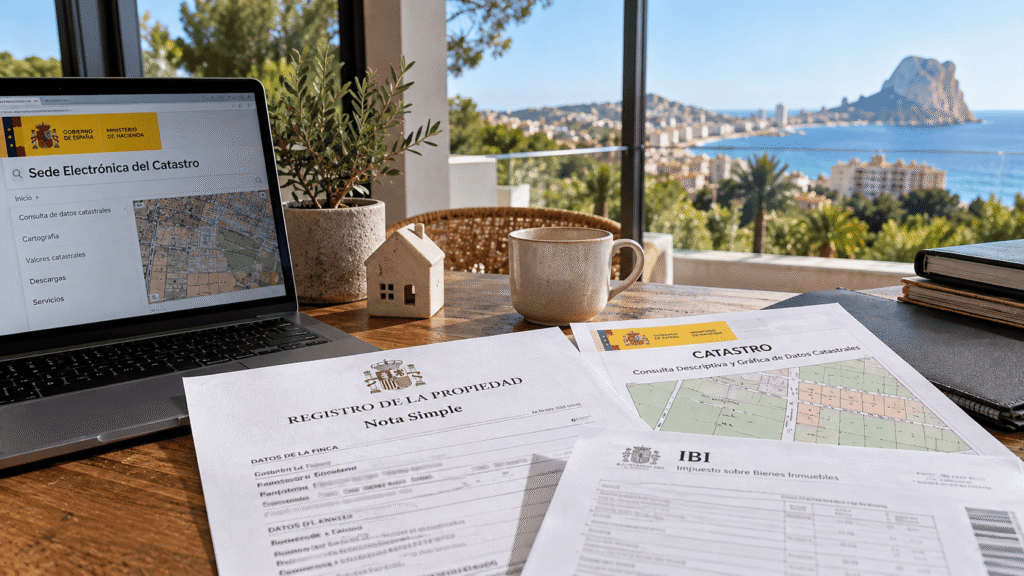
An initial check usually involves obtaining a Nota Simple, an informational extract from the Registro de la Propiedad (Land Registry). It provides information about the registered owner, the property description and registered encumbrances.
However, a Nota Simple alone may not be sufficient for a complete legal review. Depending on the property, additional documents and information may be required.
How to Avoid This Mistake
Before signing the Contrato de Arras, check ownership, registration details, any mortgages and other encumbrances. If anything raises concerns, clarify the situation before transferring money.
3. Failing to Account for Additional Costs
The price of an apartment or house is not the only amount you need to include in your budget.
Buying property in Spain may involve taxes, notary fees, property registration fees, legal assistance and other service costs.
The total depends on the type of property, the region and the specifics of the transaction. For example, the purchase of a resale property is generally subject to ITP, while a newly built property purchased from a developer is subject to IVA and, in most cases, AJD. Rates and conditions should be checked for the relevant autonomous community.
After the purchase, the owner must also pay for property maintenance, utilities, insurance and other ongoing expenses.
How to Avoid This Mistake
Prepare a complete purchase budget before choosing a property. Calculate taxes and transaction costs separately, and set aside a reserve for repairs and unexpected expenses.
4. Signing a Contrato de Arras Without Reading the Terms
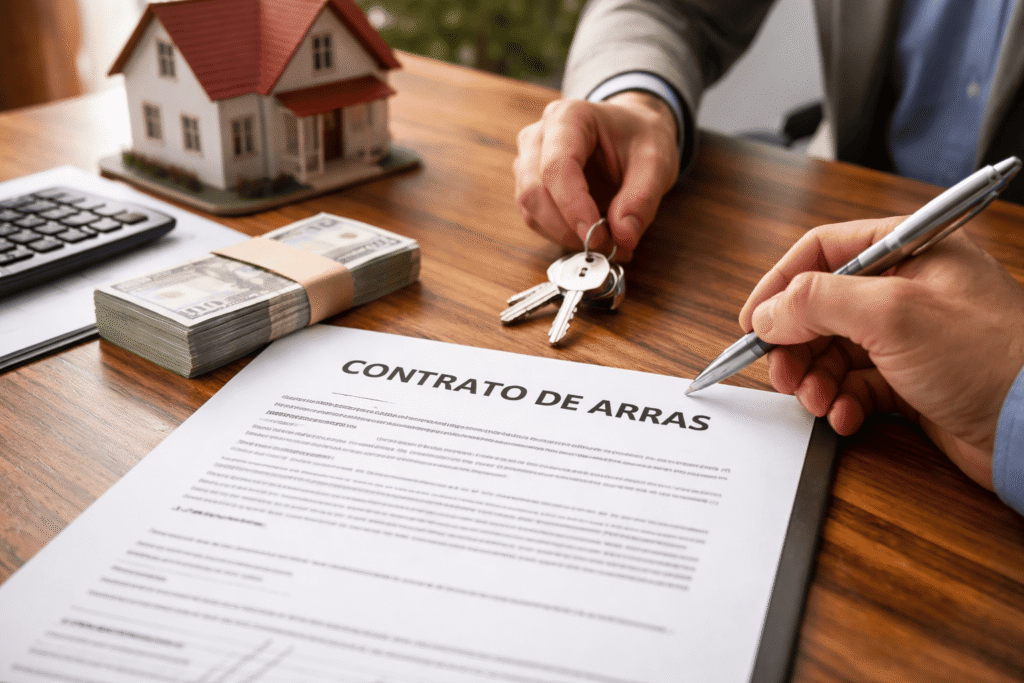
A Contrato de Arras is a preliminary agreement that records the terms agreed between the buyer and the seller. The buyer usually pays a deposit when signing, which is later deducted from the property price.
The mistake is treating this document as a mere formality.
The consequences of withdrawing from the transaction depend on the type of arras and the specific terms of the agreement. For example, with arras penitenciales, the buyer generally forfeits the deposit if they withdraw, while a seller who withdraws must return twice the amount. The consequences may differ for other types of arras.
If the buyer intends to use a mortgage, it is especially important to establish in advance what happens if the bank refuses the loan.
How to Avoid This Mistake
Before signing, check the deposit amount, transaction deadlines, withdrawal conditions and grounds for a refund. Do not sign the agreement if you do not understand the legal consequences of its terms.
5. Choosing a Property Based Only on Photos
Photos can help you assess the interior, layout and appearance of a property, but they do not always reflect its actual condition.
Pictures may not reveal ventilation problems, signs of damp, street noise, a lack of natural light or the need for major repairs.
The risk is higher when buying remotely, as the buyer may not be able to inspect the apartment personally or assess the surrounding area.
How to Avoid This Mistake
Visit the property in person if possible. If this is not an option, arrange a detailed video viewing or hire an independent professional to inspect it.
Check the condition of utilities and systems, windows, plumbing and other important features. If renovations are needed, estimate their cost in advance.
6. Failing to Check the Neighbourhood and Infrastructure
Even a good apartment can turn out to be a poor purchase if its location does not meet your needs.
For a home, transport links, shops, medical facilities, schools and everyday amenities are important. For an investment property, rental demand, accessibility and the area’s appeal to potential tenants may be key factors.
However, being close to the sea or tourist attractions does not guarantee high returns. You also need to consider seasonal demand, maintenance costs and current rental regulations.
How to Avoid This Mistake
Research the neighbourhood, transport links, amenities and surrounding buildings. If you are buying to rent out the property, assess demand and potential expenses rather than relying solely on the location’s appeal.
7. Miscalculating Investment Returns
If you are buying property to generate rental income, it is important to assess not only potential revenue but also expenses.
For example, an apartment may generate €12,000 in rental income per year, but part of that amount will go towards taxes, maintenance, insurance, management and repairs. Gross yield is therefore not the same as net profit.
You should also avoid assuming that the property will be rented out continuously. There may be vacant periods, delayed payments and additional maintenance costs.
How to Avoid This Mistake
Before buying, calculate the expected gross and net rental yields. Include all expenses, possible vacancy periods and a realistic rental rate.
If the property is intended for tourist rentals, check the applicable requirements and restrictions separately. Do not include income in your financial model if local rules may prevent you from earning it.
8. Failing to Check Outstanding Debts and Mandatory Payments
Before buying, find out whether the property has outstanding debts or other financial obligations that could affect the transaction.
Pay particular attention to IBI property tax, payments to the comunidad de propietarios (the owners’ association in an apartment building), and any special assessments for repairs or maintenance of shared areas.
Responsibility for individual obligations depends on their nature and the applicable rules. You should not assume that all debts will automatically remain the previous owner’s responsibility.
How to Avoid This Mistake
Request proof that required payments have been made, check for outstanding debts to the comunidad de propietarios and find out whether major building repairs or expenses are planned.
If you discover debts or disputed charges, agree on how they will be settled before completing the purchase.
9. Ignoring Taxes and Expenses After the Purchase
The owner’s expenses do not end on the day the notarial deed is signed.
After purchasing a property, you need to budget for annual IBI property tax, utilities, insurance, building maintenance and potential repairs.
Non-residents may also have tax obligations in Spain, even if the property is not rented out. The specific obligations depend on the owner’s tax status and the circumstances of ownership.
If the apartment is purchased for rental purposes, you must also account for tax on rental income and related expenses.
How to Avoid This Mistake
Before buying, calculate not only the initial costs but also the annual cost of owning the property. If you are not a Spanish tax resident, clarify your obligations with a specialist in Spanish taxation.
10. Rushing the Purchase and Not Seeking Professional Advice
An attractive property, limited availability or fear that someone else will buy the apartment can push you into making a rushed decision.
However, urgency should never replace document checks, budget calculations and risk assessment. Even if a property looks perfect, make sure the transaction terms are in your best interests.
This is particularly important for foreign buyers who are unfamiliar with local procedures or cannot be present at every stage of the purchase.
How to Avoid This Mistake
Define your selection criteria in advance, check the documents and do not transfer a deposit until you have clarified the key questions. If necessary, hire an independent lawyer, tax adviser or property inspection specialist.
Professional assistance cannot eliminate every risk, but it can help identify problems before they lead to serious financial consequences.
Checklist Before Buying Property in Spain
Before signing an agreement and transferring money, check the following points.
- A complete purchase budget has been prepared, including taxes and additional costs
- The owner and the property’s legal status have been verified
- The Nota Simple has been reviewed and potential encumbrances have been checked
- The property’s land registry and cadastral details have been cross-checked
- The actual condition of the apartment or house has been assessed
- The neighbourhood, amenities and transport links have been reviewed
- Outstanding IBI tax and comunidad de propietarios payments have been checked
- Annual property maintenance costs have been calculated
- If the purchase is an investment, a realistic net yield has been calculated
- The Contrato de Arras terms and consequences of withdrawing from the transaction have been checked
- Rental requirements and applicable restrictions have been clarified where necessary
- Professional advice has been obtained on any unclear legal or tax matters
The more questions you resolve before signing the agreement, the lower the likelihood of unpleasant surprises after the purchase.
How to Buy Property in Spain More Safely
Buying property in another country does not have to be complicated. Most common mistakes can be prevented by following a clear process: define your goals, calculate your budget, check the property, review the contract terms and clarify taxes and additional costs in advance.
Do not choose a property based solely on its price, photos or promised returns. It is important to assess the property as a whole and understand the obligations you are taking on.
The key principle of a safe purchase is simple: check first, then sign and transfer the money.
If you are planning to buy property in Spain to live in or as an investment, start by defining your budget and property requirements. This will help narrow down the options and focus on properties that genuinely meet your goals.

We will answer any question!


Online purchase
More details